Get Wellness Wire
·
Blood Sugar
·
9 min read
Why Blood Sugar Keeps Rising — Even When You're Eating Right
The "Cellular Glucose Lock": The Two-Stage Metabolic Failure That Traps Adults Over 45 in Chronic High Blood Sugar — And the 8-Compound Protocol That Targets Both Stages Simultaneously
By Dr. Daniel Mercer, MD · Integrative Medicine Specialist

Affiliate disclosure: This article contains an affiliate link to Gluco Recover. If you purchase through it, we may earn a commission at no extra cost to you.
The conversation usually starts with a routine blood panel.
The doctor looks at the numbers, pauses, and uses a word you weren't expecting: prediabetes. Or the fasting glucose number — 108, 114, 119 — is still technically in the normal range, but it's climbing every year. Or you've started monitoring at home and noticed that your readings in the morning are sometimes higher than they were the night before, which makes no sense if you haven't eaten anything.
You've made the changes. You've cut back on sugar, reduced portions, started walking. And the numbers keep moving in the wrong direction.
I am Dr. Daniel Mercer. I have worked with adults in this exact situation for over fifteen years. What I want to explain is why dietary change alone frequently fails to reverse blood sugar trends past the age of 45 — and why the failure is not a matter of discipline or effort. It is a matter of mechanism. Specifically, two mechanisms that operate simultaneously and reinforce each other.
Why Blood Sugar Dysregulation Is Not Primarily a Diet Problem
Yes, what you eat affects blood sugar. No one disputes that. But the reason blood sugar remains elevated — or continues rising despite dietary improvement — in adults past 45 is not primarily about what enters the bloodstream. It is about what happens after glucose enters: how cells receive it, and what the body does with glucose between meals.
Two biological failures drive this problem. They develop simultaneously, worsen each other, and cannot be adequately addressed by caloric restriction or exercise alone. I call this pattern the Cellular Glucose Lock.
The Cellular Glucose Lock: Stage 1 and Stage 2
Stage 1: Insulin Receptor Desensitization. Glucose that enters the bloodstream after a meal can only be cleared when cells receive the insulin signal to absorb it. That signal requires a functioning insulin receptor — a protein complex that insulin binds to, triggering a cascade that opens the cell's glucose channels. The insulin receptor does not work in isolation. It requires chromium — an essential trace mineral — to complete the binding and signaling process. As adults age past 40, chromium intake tends to decline and metabolic stress accelerates chromium excretion. The receptor, deprived of its cofactor, becomes progressively less responsive to insulin. The pancreas compensates by producing more insulin — which accelerates receptor burnout further. Post-meal glucose spikes worsen not because of diet, but because the cellular machinery for absorbing glucose is progressively impaired.
Stage 2: Stress-Hormone Glucose Release. Between meals — when blood sugar should be falling or stable — a second mechanism operates independently. Cortisol and glucagon signal the liver to release stored glycogen as glucose. In younger adults, this release is brief and rhythmic. Past 45, for most adults managing metabolic stress or poor sleep, cortisol regulation degrades. The liver receives a continuous signal to release glucose — independent of meal timing, independent of what was eaten.
This explains why fasting blood sugar, measured first thing in the morning before eating anything, is often the highest reading of the day. It is not from food. It is from cortisol-driven overnight liver glucose release — and the same Stage 1 receptor desensitization that prevents this released glucose from being efficiently cleared.
The combination is self-reinforcing: more glucose from Stage 2 → more insulin required → more receptor burnout in Stage 1 → Stage 2 glucose cannot be cleared → sustained elevated blood sugar regardless of diet.
Why Standard Approaches Address Only Part of This
Dietary restriction reduces glucose input but does not address Stage 1 receptor function or Stage 2 cortisol-driven glucose release. A person eating perfectly can still have a fasting glucose of 118 because of overnight cortisol activity.
Metformin reduces hepatic glucose output through AMPK activation — partially addressing Stage 2. But it requires a prescription, causes nausea, diarrhea, and cramping in 25–30% of users, depletes vitamin B12 with long-term use, and does not restore insulin receptor sensitivity or replenish chromium. Stage 1 remains unaddressed.
Ozempic and Wegovy (semaglutide) pharmacologically force insulin release and suppress glucagon. They cost $900–$1,200 per month, require weekly injections, carry a black box warning for thyroid C-cell tumors, cause severe nausea and vomiting in 20–44% of users, and produce rapid rebound when stopped — because the underlying receptor dysfunction was never repaired.
Januvia (sitagliptin), a DPP-4 inhibitor, requires a prescription, is associated with increased respiratory infection rates, and has generated post-market pancreatitis reports. It does not correct receptor desensitization or stress-hormone excess.
Acarbose (Precose) slows carbohydrate digestion, causing severe flatulence, bloating, and diarrhea in the majority of users, only works during carbohydrate-containing meals, and has no effect on fasting glucose elevation from Stage 2.
None of these approaches address both stages of the Cellular Glucose Lock simultaneously.
The Eight-Compound Protocol
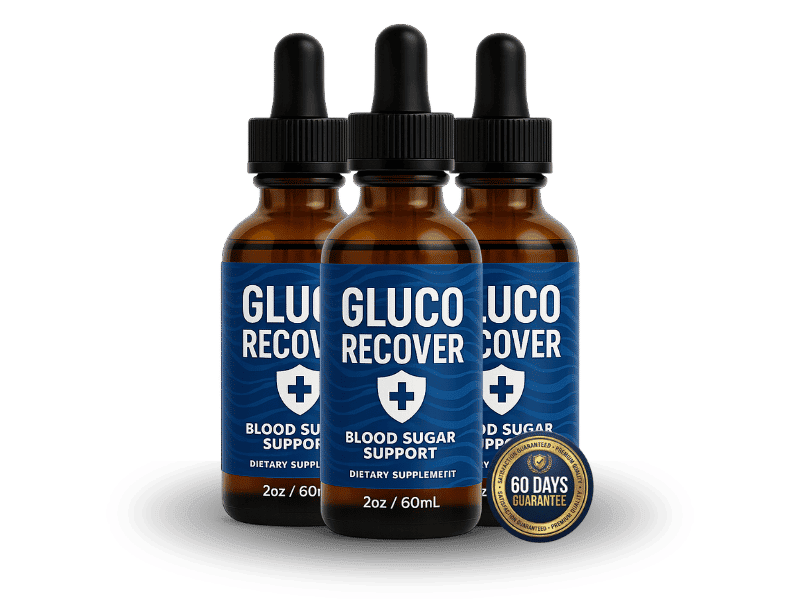
Eight naturally occurring compounds have been specifically selected and combined in Gluco Recover for their documented actions against both stages.
Chromium Picolinate — The Stage 1 Foundation
Chromium picolinate is the bioavailable form of the mineral most directly responsible for Stage 1 Cellular Glucose Lock. As the cofactor that enables insulin to dock with its cellular receptor, chromium is the single most targeted intervention for receptor-level insulin resistance. Multiple clinical trials have demonstrated that chromium picolinate supplementation improves insulin receptor sensitivity, reduces fasting glucose, lowers post-meal spikes, and decreases HbA1c in adults with impaired glucose tolerance. By replenishing chromium that aging and metabolic stress deplete, this compound directly restores the receptor function that Stage 1 progressively destroys.
Gymnema Sylvestre — The Upstream Glucose Block
Gymnema — known in Ayurvedic tradition as 'Gurmar,' meaning sugar destroyer — works at two levels. First, gymnemic acids bind to intestinal glucose receptors and block glucose absorption from meals before it enters the bloodstream, acting upstream of Stage 1 to reduce the glucose load that overwhelmed receptors must process. Second, clinical studies have demonstrated Gymnema's capacity to support pancreatic beta cell regeneration and improve insulin secretion over time — providing a structural repair mechanism for the cellular damage caused by chronic hyperglycemia.
Ginseng (Panax ginseng) — The AMPK Activator
Panax ginseng's ginsenosides improve insulin receptor sensitivity through AMPK activation — the same intracellular pathway targeted by metformin, without the gastrointestinal consequences. Clinical trials in adults with type 2 diabetes and pre-diabetes have demonstrated meaningful reductions in fasting glucose, HbA1c, and post-meal spikes with consistent ginseng supplementation. Critically, Panax ginseng also has demonstrated adaptogenic effects on cortisol — directly addressing the Stage 2 stress-hormone axis by moderating adrenal output and reducing glucagon-stimulated liver glucose release between meals.
Coleus Forskohlii — The Intracellular Amplifier
Coleus activates adenylate cyclase, increasing intracellular cyclic AMP (cAMP) — a second messenger that regulates glucose uptake, fat metabolism, and insulin receptor phosphorylation. By elevating cAMP, Coleus amplifies the cellular response to insulin from the intracellular side, compensating for Stage 1 receptor desensitization at the post-receptor level. It also supports lipolysis, reducing adipose-driven insulin resistance that worsens Stage 1 in adults with elevated body fat.
Eleuthero — The Stage 2 Primary Corrector
Eleuthero (Eleutherococcus senticosus) is the primary adaptogenic compound targeting Stage 2 of the Cellular Glucose Lock. As a clinically studied adaptogen, it regulates the HPA (hypothalamic-pituitary-adrenal) axis — the cortisol control system — reducing the chronic cortisol overproduction that drives continuous liver glucose release. Research has demonstrated that Eleuthero reduces cortisol output under sustained stress, blunts the cortisol awakening response that explains why fasting glucose is highest upon waking, and improves the body's capacity to regulate glucose between meals by quieting the stress-hormone glucose dumping of Stage 2.
Maca Root — The Adrenal Layer
Maca Root provides a second adaptogenic layer targeting Stage 2 through a complementary mechanism. While Eleuthero works on cortisol production through the HPA axis, Maca works at the hypothalamic level to regulate glucocorticoid receptor sensitivity — how aggressively tissues respond to cortisol signals. Even when cortisol is partially elevated, the liver responds less dramatically with glucose release. Maca also supports adrenal gland health and hormonal balance more broadly, addressing the root adrenal pattern that underlies chronic Stage 2 glucose dumping in adults past 45.
African Mango (Irvingia gabonensis) — The Adiponectin Restorer
African Mango seed extract elevates adiponectin — a hormone secreted by healthy adipose tissue that improves insulin sensitivity, reduces systemic inflammation, and suppresses gluconeogenesis (the liver's process of producing glucose from non-carbohydrate sources). In adults with metabolic dysregulation, adiponectin is typically suppressed, worsening both Stage 1 receptor resistance and Stage 2 liver glucose output. By restoring adiponectin signaling, African Mango improves the broader metabolic environment in which both stages of the Cellular Glucose Lock develop.
Guarana — The Insulin-Independent Uptake Pathway
Guarana provides controlled methylxanthine stimulation that activates thermogenesis and accelerates peripheral glucose uptake by muscle tissue through GLUT4 translocation — a mechanism that moves glucose into cells independently of insulin receptor signaling entirely. When muscles are metabolically active, they absorb glucose without requiring a functioning insulin receptor, directly bypassing the Stage 1 failure. This makes guarana particularly effective for addressing the energy crashes and glucose accumulation that occur during sedentary periods.
What Patients Tell Me
“My fasting numbers had been creeping up for four years — 108, then 114, then 121 last spring. My doctor used the word prediabetes and mentioned that we should talk about Metformin if things continued. I didn’t want to start on a prescription drug if there was something else I could try first. I found this product while reading about chromium and blood sugar. Three months later my fasting number was 97. My doctor was surprised enough to ask what I had changed.”
— Linda K., 55, Phoenix, AZ
“I’ve been checking my blood sugar for about two years with a home monitor. What I noticed was that my fasting readings in the morning were often higher than my readings two hours after dinner. That didn’t make sense to me until I read about how cortisol affects blood sugar overnight. That explained a lot. I’ve been using this for about ten weeks and my morning readings have come down consistently — most mornings now I’m in the low 90s rather than 110–115 the way I was.”
— Thomas R., 61, Nashville, TN
“The energy piece was what I noticed first — the afternoon crashes that had become a daily thing around 3pm mostly stopped. Then about six weeks in I checked my blood sugar out of curiosity and it was 94. It had been 118 three months earlier when my doctor ran a routine panel. I’m not going to say this is a cure for anything but for me, something is clearly working differently.”
— Margaret S., 48, Portland, OR
⚠️ Due to high demand, Gluco Recover frequently sells out. Check current availability before the link expires.
What This Means
The Cellular Glucose Lock is not a failure of willpower or dietary compliance. It is a specific, two-stage biological failure: Stage 1 insulin receptor desensitization driven by chromium depletion and receptor burnout, and Stage 2 stress-hormone glucose release driven by cortisol dysregulation and continuous liver glucose output.
The eight compounds in Gluco Recover address both stages through complementary, documented mechanisms: Chromium Picolinate and Gymnema Sylvestre targeting Stage 1 directly; Eleuthero and Maca Root targeting Stage 2 at the cortisol and adrenal level; Ginseng and Coleus providing intracellular amplification across both stages; and African Mango and Guarana restoring the metabolic signaling environment and insulin-independent uptake pathways that both stages disrupt.
If your blood sugar numbers are rising despite doing the things you are supposed to do, the Cellular Glucose Lock framework offers a more precise explanation for why — and a protocol designed specifically to address both components of that failure.
Dr. Daniel Mercer, MD, is a board-certified specialist in integrative medicine. The information in this article is for educational purposes only and does not constitute medical advice. Always consult a qualified healthcare provider before starting any supplement protocol, particularly if you have a diagnosed medical condition, take prescription medications, or are managing diabetes or pre-diabetes. Blood sugar management requires individualized medical supervision. Individual results may vary.
Affiliate disclosure: This article contains an affiliate link. If you choose to purchase through the link provided, Get Wellness Wire may receive a commission at no additional cost to you.
Scientific References
1. Abdollahi et al.. RCT: chromium picolinate significantly reduced insulin resistance in women with PCOS. Journal of Obstetrics and Gynaecology, 2015. [PMID 26663540]
2. Siddiqui et al.. Double-blind RCT in T2D: improved fasting glucose, insulin, and cardiometabolic biomarkers. Nutrition Research, 2020. [PMID 32395440]
3. Teixeira et al.. RCT: improved insulin sensitivity and secretion in metabolic syndrome patients. Journal of Medicinal Food, 2017. [PMID 28459647]
4. Shanmugasundaram et al.. Clinical study: significant reduction in fasting blood glucose in T2D patients; insulin requirements decreased. Journal of Ethnopharmacology, 1990. [PMID 2259216]
5. Shishtar et al.. Systematic review and meta-analysis: ginseng significantly reduced fasting blood glucose across populations. PLOS ONE, 2014. [PMID 25265315]
6. Ngondi et al.. Double-blind RCT (102 subjects): Irvingia gabonensis significantly reduced body weight, waist circumference, and total cholesterol. Lipids in Health and Disease, 2009. [PMID 19254366]

By Dr. Daniel Mercer, MD
Integrative Medicine Specialist · Get Wellness Wire
Our editorial standards require all health claims to be grounded in available research and presented without exaggeration.