Get Wellness Wire
·
Weight Loss
·
9 min read
Why Hunger Keeps Returning — Even When You're Eating Less
The “Incretin Signal Collapse”: The Two-Stage Hormonal Failure Behind Persistent Weight Gain and Uncontrollable Appetite — and the Eight-Compound Protocol That Addresses Both Simultaneously
By Dr. Daniel Mercer, MD · Integrative Medicine Specialist

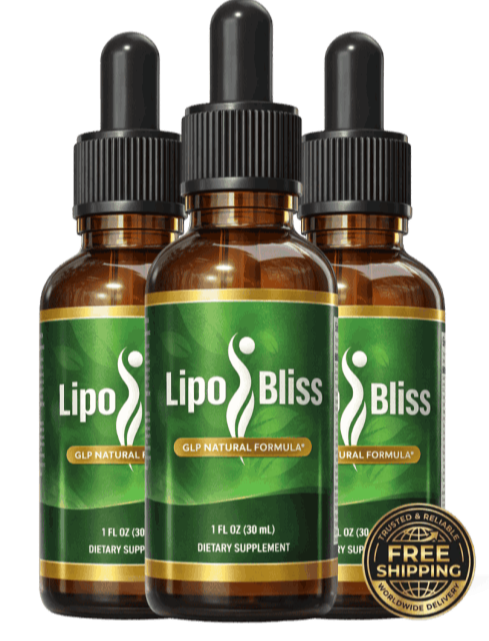
Affiliate disclosure: This article contains affiliate links to LipoBliss. If you purchase through them, we may earn a commission at no extra cost to you.
If you have been reducing calories, avoiding processed food, and exercising with some regularity — and you still cannot lose weight, or you lose it and it returns within months — the most common explanation you will receive is that you need to try harder.
Eat less. Move more. Cut carbohydrates more aggressively. Perhaps track every calorie.
I want to offer a different explanation. Because in most of the patients I see who have been doing all the right things without sustainable results, the problem is not discipline or effort. It is a specific, identifiable hormonal failure that standard weight loss advice was never designed to address.
I am Dr. Daniel Mercer. I want to explain that failure — because once you understand it, the pattern of losing weight and regaining it, of constant hunger despite reduced intake, and of plateaus that arrive within weeks of starting a new diet, all become entirely predictable.
The Two Hormones Nobody Told You About
Most weight loss frameworks center on insulin: control insulin, control fat storage. This is accurate but incomplete. There are two other hormones — GLP-1 and GIP — that play an equally critical role in whether your body responds appropriately to food, whether your hunger signals function correctly, and whether your metabolism runs efficiently.
GLP-1 (glucagon-like peptide-1) is secreted by specialized cells in the gut wall — called L-cells — in response to eating. It signals the hypothalamus to suppress hunger, stimulates the pancreas to release insulin in a timely and proportionate way, and slows gastric emptying so that glucose enters the bloodstream gradually. When GLP-1 is working properly, you feel full after eating an appropriate amount, your energy is steady, and your body handles glucose efficiently.
GIP (glucose-dependent insulinotropic polypeptide) is the second incretin hormone, secreted by K-cells in the upper small intestine. It coordinates the balance between fat storage and fat oxidation in adipose tissue. When GIP is working properly, your fat tissue responds to metabolic signals efficiently.
When both systems function correctly, hunger is self-regulating, energy is stable, and weight management requires modest effort. When they fail — what I call the Incretin Signal Collapse — hunger becomes constant, fat storage becomes preferential, and even significant caloric restriction produces minimal results.
What Is Actually Happening: The Two-Stage Failure
Stage 1: Enteroendocrine L-Cell Exhaustion. The gut L-cells that secrete GLP-1 are exquisitely sensitive to the state of the gut environment. Chronic low-grade gut inflammation — driven by processed food, microbiome disruption, and visceral fat accumulation — progressively impairs L-cell function. GLP-1 output drops. The satiety signals to the hypothalamus weaken. The pancreatic beta cells receive less incretin stimulation. The result is a brain that no longer receives adequate signals after eating, an insulin response that becomes sluggish and mistimed, and a persistent metabolic drive toward fat storage rather than fat oxidation.
Stage 2: GIP Receptor Desensitization in Adipose Tissue. As visceral fat accumulates, adipose tissue increases its secretion of pro-inflammatory cytokines — TNF-alpha and IL-1beta — that downregulate GIP receptors on fat cells. With GIP signaling impaired, adipose tissue loses its ability to coordinate efficient fat oxidation. It shifts toward a locked storage mode. And critically, those same inflammatory cytokines further suppress GLP-1 secretion from L-cells, deepening the Stage 1 failure.
This creates the self-reinforcing cycle I call the Incretin Signal Collapse.
Weakened GLP-1 → persistent hunger and mistimed insulin → increased fat storage → more visceral fat → more adipose inflammation → further GLP-1 and GIP receptor suppression → the cycle continues.
Most standard weight loss interventions address only caloric intake. They do not touch either stage of this hormonal failure.
Why Standard Approaches Fail to Break the Cycle
Caloric restriction alone reduces energy intake but does not restore L-cell function, GIP receptor sensitivity, or incretin signaling capacity. The moment caloric restriction is relaxed — even partially — the hormonal system remains in failure mode, hunger signals resume, and weight returns. This is not a willpower failure. It is a predictable consequence of not addressing the underlying hormonal disruption.
Ozempic and Wegovy (semaglutide) are pharmacological GLP-1 receptor agonists — they bypass the broken GLP-1 signaling system by directly stimulating GLP-1 receptors. They work. But they cost $900–$1,200 per month, require weekly injection, carry a black box warning for thyroid C-cell tumors, cause severe gastrointestinal effects (nausea, vomiting, gastroparesis) in 20–44% of users, and — critically — must be maintained indefinitely. Studies show that more than two-thirds of the weight lost on semaglutide returns within one year of stopping the drug.
Mounjaro and Zepbound (tirzepatide) are dual GLP-1 and GIP receptor agonists — more potent than semaglutide and theoretically addressing both stages of the Incretin Signal Collapse. But at $1,000–$1,400 per month, with the same thyroid black box warning, vomiting in up to 25% of users, and the same dependency dynamic, they are not a realistic long-term solution for most people.
Phentermine is a sympathomimetic stimulant that suppresses appetite without addressing incretin signaling. It carries cardiovascular risks, has dependency potential, is approved only for short-term use, and produces significant rebound hunger and weight gain on discontinuation.
Orlistat (Alli/Xenical) inhibits pancreatic lipase, blocking approximately 30% of dietary fat absorption. It does not address the hormonal failure at any stage. Its GI side effects — oily stool, fecal urgency, accidental leakage — make it one of the most poorly tolerated medications in this category.
None of these approaches correct the underlying Incretin Signal Collapse. They manage symptoms or bypass the system pharmacologically. They do not restore it.
The Eight-Compound Protocol
Research in incretin biology, phytopharmacology, and gut-adipose signaling has identified eight naturally-occurring compounds with documented actions against the two stages of the Incretin Signal Collapse.
Green Tea Extract (EGCG) — The DPP-4 Inhibitor
EGCG — epigallocatechin gallate, green tea’s primary bioactive catechin — inhibits DPP-4, the enzyme that rapidly degrades circulating GLP-1. Normally, GLP-1 has a half-life of only 1–2 minutes; DPP-4 inhibition extends its active duration significantly, allowing whatever GLP-1 the compromised L-cells produce to remain active longer. EGCG also activates AMPK independently, improving cellular fat oxidation and insulin sensitivity, and inhibits alpha-glucosidase — slowing post-meal glucose absorption and reducing the hyperglycemic spikes that accelerate L-cell exhaustion.
Apple Cider Vinegar (Acetic Acid) — The L-Cell Stimulator
Acetic acid — the active compound in apple cider vinegar — directly stimulates GLP-1 and PYY secretion from intestinal L-cells and colonic enteroendocrine cells. This provides direct upstream support to Stage 1 of the Incretin Signal Collapse: the impaired L-cell output that weakens satiety signaling. Acetic acid also slows gastric emptying — extending the satiety window after meals — and blunts post-meal glucose excursions, reducing the glycemic stress that drives L-cell dysfunction. A 2025 systematic review confirmed reductions in body weight, fasting glucose, and caloric intake in human trials.
Berberine HCL — The GLP-1 Receptor Restorer
Berberine is the most clinically studied natural AMPK activator, with mechanisms that parallel metformin at the cellular level but with an additional mechanism uniquely relevant here: it upregulates GLP-1 receptor expression on pancreatic beta cells and hypothalamic neurons. This directly counteracts the receptor downregulation that is the downstream consequence of Stage 1 L-cell failure. Berberine also inhibits DPP-4 (synergizing with EGCG), reduces hepatic glucose output, and improves insulin sensitivity. Multiple RCTs show significant reductions in fasting glucose, postprandial glucose, HbA1c, and body weight.
Banaba Leaf (Corosolic Acid) — The Insulin Receptor Amplifier
Corosolic acid, the primary bioactive in banaba leaf, inhibits PTP1B — protein tyrosine phosphatase 1B — the enzyme that dephosphorylates and deactivates the insulin receptor. PTP1B inhibition effectively amplifies insulin receptor sensitivity downstream of whatever insulin signal exists, compensating for the delayed and impaired insulin response caused by weakened incretin stimulation. Banaba also promotes GLUT4 translocation to muscle cell membranes, enabling insulin-independent glucose uptake into cells. Clinical trials show simultaneous reductions in fasting and postprandial glucose with corosolic acid supplementation.
Cinnamon Bark — The GIP Secretion Enhancer
Cinnamon polyphenols activate insulin receptor tyrosine kinase while inhibiting insulin receptor phosphatase — acting as insulin sensitizers at the receptor level. Critically, cinnamon also directly promotes GIP secretion from intestinal K-cells in the upper small intestine. This is a direct intervention at Stage 2 of the Incretin Signal Collapse: rather than waiting for GIP receptor sensitivity to restore itself, cinnamon supports increased GIP output from the source. It also slows the breakdown of carbohydrates through alpha-amylase inhibition, reducing the glycemic load reaching the gut and further protecting L-cell function.
Ginger Root (Gingerols and Shogaols) — The Vagal Satiety Signal
Ginger’s bioactive gingerols and shogaols stimulate GLP-1 and GIP secretion from enteroendocrine cells and upregulate GLP-1 receptor expression in the hypothalamus — directly addressing the receptor downregulation component of Stage 1 failure. Gingerols also activate TRPV1 receptors in the gut wall, which transmit satiety signals via the vagal nerve to the hypothalamus independently of circulating GLP-1 levels — providing a second satiety channel that bypasses the compromised incretin pathway. Anti-inflammatory properties (COX-2 inhibition, NF-κB suppression) reduce the gut wall inflammation that drives L-cell exhaustion in the first place.
Korean Ginseng (Ginsenosides Rb1 and Rg1) — The Adipose Rebalancer
Ginsenosides Rb1 and Rg1 improve adiponectin secretion from adipose tissue and reduce resistin — the adipokine that promotes GIP receptor resistance in fat cells. This is a direct intervention at Stage 2 of the Incretin Signal Collapse: the GIP receptor desensitization caused by visceral fat-derived inflammatory signaling. By restoring adiponectin levels and reducing resistin, Korean ginseng shifts adipose tissue back toward a pro-oxidative, GIP-responsive phenotype. Ginsenoside Rg1 also has documented GLP-1 secretagogue activity, stimulating incretin release from distal gut L-cells independently.
Resveratrol — The Inflammatory Brake Releaser
Resveratrol activates SIRT1 (sirtuin-1), a master metabolic regulator that coordinates fat oxidation, mitochondrial biogenesis, and — critically — the suppression of the TNF-alpha and IL-1beta signaling from visceral adipose tissue that drives both stages of the Incretin Signal Collapse. SIRT1 activation upregulates GLP-1 receptor expression on hypothalamic neurons and pancreatic beta cells, and reduces the adipose-derived inflammatory signaling that perpetuates GIP receptor desensitization. By targeting the inflammatory mechanism at its source, resveratrol provides upstream support to both Stage 1 and Stage 2 simultaneously.
What Patients Tell Me
“I had been on a reduced-calorie diet for almost a year and the scale barely moved. My hunger was constant — I’d eat a full meal and be hungry again two hours later. Once I understood what was actually happening hormonally, it made sense why nothing I was doing was working. Three months in, the hunger is manageable for the first time. Down 22 pounds.”
— Jennifer M., 48, Austin, TX
“My doctor mentioned Ozempic last year. I looked into it — a thousand dollars a month and the side effects weren’t something I was willing to deal with. I spent about four months researching alternatives and eventually found this protocol. A year later I’ve lost 31 pounds and my waist is where it was in my thirties.”
— David K., 55, Portland, OR
“What surprised me most was how quickly the cravings changed. Within the first three weeks I stopped having the afternoon crash and the intense need for something sweet. By week eight I had lost 11 pounds without feeling like I was starving myself.”
— Sandra R., 52, Charlotte, NC
⚠️ WARNING: Due to high demand, LipoBliss frequently sells out. Check current availability before the link expires.
What This Means
The Incretin Signal Collapse is not a character failing. It is a specific, measurable two-stage hormonal disruption — progressive L-cell exhaustion combined with GIP receptor desensitization in adipose tissue — that standard caloric restriction cannot address and that even most medications manage rather than correct.
The eight compounds in LipoBliss target both stages: DPP-4 inhibition to extend GLP-1 activity (Green Tea, Berberine), direct L-cell stimulation to increase GLP-1 and GIP output (Apple Cider Vinegar, Ginger, Korean Ginseng), GIP receptor sensitivity restoration in adipose tissue (Resveratrol, Korean Ginseng), insulin receptor amplification (Banaba Leaf, Cinnamon), and gut inflammation reduction that protects L-cell function long-term (Ginger, Resveratrol).
If your weight has been resistant to genuine dietary effort, or if you have lost weight repeatedly only to see it return, the Incretin Signal Collapse framework suggests that the approach you have been taking may not have addressed the hormonal failure underlying your body’s response — not the effort you put in.
Dr. Daniel Mercer, MD, is a board-certified specialist in integrative medicine. The information in this article is for educational purposes only and does not constitute medical advice. Always consult a qualified healthcare provider before starting any supplement protocol, particularly if you have a diagnosed medical condition, take prescription medications, or are managing diabetes or metabolic disease. Weight management requires individualized medical supervision. Individual results may vary.
Affiliate disclosure: This article contains affiliate links. If you choose to purchase through links provided, Get Wellness Wire may receive a commission at no additional cost to you.
Scientific References
1. Liang et al.. Meta-analysis of 46 RCTs: berberine significantly reduced HbA1c (MD −0.73%) and fasting blood glucose. Oxidative Medicine and Cellular Longevity, 2021. [PMC8696197]
2. Lu et al.. Meta-analysis of 16 RCTs in T2D and pre-diabetes: cinnamon significantly reduced fasting blood glucose. Clinical Nutrition, 2019. [PMID 31425768]
3. Hursel et al.. Meta-analysis: green tea catechins significantly increased fat oxidation and thermogenesis. Nutrients, 2021. [PMC7922336]
4. Johnston and Gass. Systematic review: acetic acid (vinegar) consumption reduced postprandial blood glucose and insulin responses. Journal of Functional Foods, 2017. [PMC5532206]
5. Shishtar et al.. Systematic review and meta-analysis: ginseng significantly reduced fasting blood glucose across populations. PLOS ONE, 2014. [PMID 25265315]
6. Fogacci et al.. Systematic review and meta-analysis of RCTs: resveratrol significantly reduced triglycerides and liver enzymes in metabolic syndrome. Nutrients, 2019. [PMC7026982]

By Dr. Daniel Mercer, MD
Integrative Medicine Specialist · Get Wellness Wire
Our editorial standards require all health claims to be grounded in available research and presented without exaggeration. We do not endorse products we cannot describe accurately and fairly.