·
Weight Management
·
5 min read
Why I Added a Weight-Support Gummy to My Stack (And What's Actually in It)
Thermogenic support, appetite steadiness, and a metabolic nudge — without the capsule fatigue. Here's what's actually in the gummy that earned a permanent spot in my routine.
Affiliate disclosure: This article contains links to Lipotrine. If you purchase through them, we may earn a commission at no extra cost to you. — Published: May 15, 2026
I'll be honest — I was skeptical.
Gummies have a reputation problem. So when weight-support gummies started showing up in wellness circles I follow, my first instinct was to scroll past. But I kept coming back to one question: what's actually in the ones that are worth it? So I started looking — and the gummy I eventually added to my stack surprised me more than I expected.
Where I Was When I Started
I wasn't starting from zero, but I wasn't where I wanted to be either. I had made the decision to move more, eat better, and actually pay attention to what I was putting in my body. Some days were easier than others. The consistency was the hard part — not the motivation to start, but the daily commitment to keep going when results are slow and the routine still feels new.
I wasn't looking for a magic solution. I was looking for something that helped me fill a few specific gaps — thermogenic support during workouts, appetite steadiness throughout the day, and a little extra metabolic nudge on days when energy is lower. What I didn't expect was how much the format would matter.
The Part Nobody Talks About
There's a psychological side to building a new health routine that doesn't get enough credit. Supplements that feel like a chore — another capsule, another powder, another thing to remember — add friction to a habit that's already fragile. But something you actually look forward to? That's different. That becomes part of the ritual.
I know it sounds small. But looking forward to two gummies in the morning — because they actually taste good — turned out to be one of those small things that helped me stay consistent. And consistency, more than any single ingredient, is what moves the needle.
What's Actually in It
Once I decided to take gummies seriously, I started looking at ingredient profiles the way I look at food labels. Here's what I found worth paying attention to:
Green Tea Leaf Extract (EGCG)
One of the most studied thermogenic compounds available. A 2008 crossover trial published in the American Journal of Clinical Nutrition found that fat oxidation rates were 17% higher in participants who took green tea extract before moderate-intensity exercise, compared to placebo. The proposed mechanism involves EGCG’s inhibition of an enzyme that degrades noradrenaline, amplifying the body’s natural fat-burning signals. If you’re already training, this compounds what you’re already doing. If you’re just starting, it supports the process from day one.
Guarana Seed Extract
A natural caffeine source, but the tannins and saponins in guarana seed slow caffeine absorption — producing a more gradual energy curve. A 2024 randomized trial published in PMC (NIH) compared guarana to low-dose caffeine and placebo, finding that guarana increased perceived mental energy post-exercise. The practical difference most people notice: sustained alertness without the sharp crash associated with synthetic caffeine.
Eleuthero Root (Siberian Ginseng)
An adaptogen with a long history of use in Russia, China, and Korea for stress and fatigue. A study published in PMC (NIH) found that Eleutherococcus senticosus extract supported recovery from physical fatigue in mice by accelerating fatty acid β-oxidation in skeletal muscle. A comprehensive 2024 review in PMC covering decades of clinical data found consistent improvements in work capacity, physical endurance, and resistance to fatigue across multiple studies. The kind of ingredient that doesn’t make you feel anything dramatic on day one — but after a few weeks the pattern becomes noticeable.
Astragalus Root
Astragalus polysaccharides (APS) have been studied for their effect on insulin sensitivity. A 2018 study published in PubMed found that APS improved insulin sensitivity in adipocytes via AMPK activation — a metabolic signaling pathway also targeted by some pharmaceutical interventions. Less flashy than the others, but the mechanism is concrete: better glucose uptake efficiency over time.
African Mango Extract
A 2013 systematic review published in PubMed analyzed three randomized controlled trials on Irvingia gabonensis (African Mango) and found statistically significant reductions in body weight and waist circumference in all three — with improvements in leptin levels noted as a likely contributing mechanism. The reviewers were candid about methodological limitations in the available trials, and we’ll be equally candid: this is a compound with promising early data, not a settled question. Feeling satisfied with less food isn’t purely about willpower — leptin signaling plays a real role, and this is the direction the research points.
The product I added to my routine
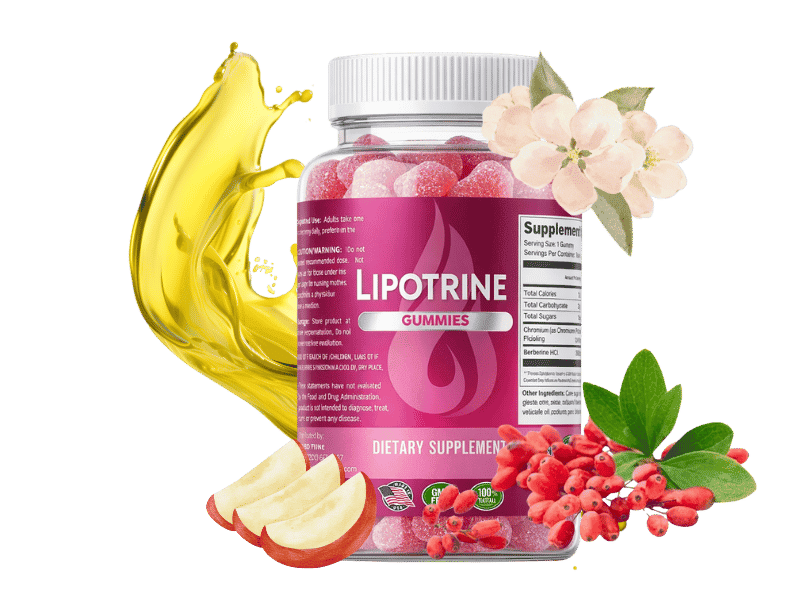
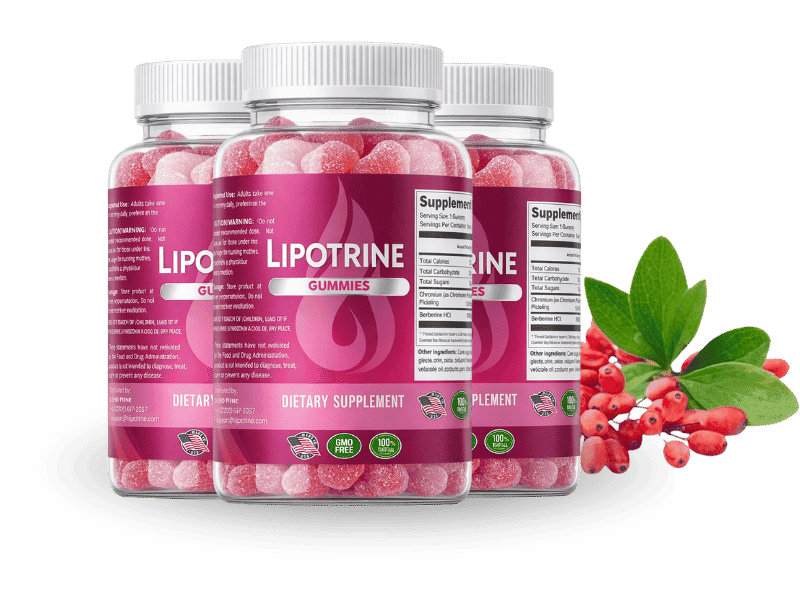
Lipotrine brings these ingredients together in gummy form. No capsule fatigue, no powder to mix. Two gummies, done. And yes — they taste good enough that you actually remember to take them.
