Get Wellness Wire
·
Weight Loss
·
10 min read
If You've Tried Everything to Lose Weight and Nothing Works — Your Doctor May Be Missing Two Things at Once
The Metabolic Freeze: A Dual Cellular Failure That Blocks Fat Loss — and the 10-Molecule Protocol That Breaks It
By Dr. Daniel Mercer, MD · Integrative Medicine Specialist

Affiliate disclosure: This article contains affiliate links to Slim Metrix. If you purchase through them, we may earn a commission at no extra cost to you.
There is a question I have stopped asking new patients during their first visit.
I used to ask it routinely: "What diets have you tried?" But the answers stopped being informative. Because by the time most people with serious, chronic weight problems reach my office, the answer is always some version of the same thing. Everything. They have tried everything. Low-calorie. Low-fat. Low-carb. Keto. Intermittent fasting. Exercise programs. Calorie tracking. Some combination of all of these, repeatedly, across years or decades.
And the weight either does not move. Or it moves a little, then returns.
I am Dr. Daniel Mercer, and after fourteen years in integrative medicine, I can tell you with confidence that this is not a motivation problem. It is not a discipline problem. It is not even primarily a diet problem.
It is a biology problem. Specifically, it is what happens when two distinct cellular systems fail at the same time — and neither conventional medicine nor most popular diets are designed to address both.
I call this dual failure the Metabolic Freeze.
Why One Failure Isn't Enough to Explain Chronic Weight Resistance
The standard medical explanation for obesity and weight loss resistance involves insulin resistance — the impaired ability of cells to respond to insulin, leading to chronically elevated blood insulin, which locks fat cells in permanent storage mode.
This is real, and it matters. But in patients with the most stubborn, treatment-resistant weight problems, insulin resistance alone does not account for the full picture.
What I observe in these patients — and what the research supports — is a second, simultaneous failure: impaired mitochondrial fatty acid oxidation.
Your mitochondria are the cellular engines that convert fat into usable energy (ATP). Even if fat cells do manage to release stored fat — which is difficult when insulin is chronically elevated — that released fat still has to reach a mitochondrion and be converted. If the mitochondria are damaged or impaired, that fat cannot be burned. It circulates, re-deposits, and the body falls back on burning glucose or breaking down muscle for energy instead.
Fat cells locked. Fat-burning engines damaged. Dieting harder accomplishes nothing.
What Causes Both Failures Simultaneously
The common upstream driver of both insulin receptor impairment and mitochondrial dysfunction is chronic oxidative stress — the accumulation of reactive oxygen species (ROS) that outpaces the body's antioxidant defenses.
Modern life generates oxidative stress from multiple directions: processed foods, environmental pollutants, chronic low-grade inflammation, disrupted sleep, and the visceral fat itself (which actively secretes pro-inflammatory cytokines). ROS damage the tyrosine kinase domains of insulin receptors, blunting their signaling. The same ROS saturate the inner mitochondrial membrane, impairing the enzyme complexes of the electron transport chain that convert fatty acids to ATP.
Two failures from one cause. One freeze that cannot be broken from either direction alone.
Why Conventional Treatments Address the Wrong Level
GLP-1 receptor agonists (semaglutide — Ozempic, Wegovy) suppress appetite and slow gastric emptying. They do not restore mitochondrial function. They do not clear the oxidative burden driving insulin receptor damage. Cost: $900–$1,400 per month, weekly injections, significant nausea, lean muscle loss.
Metformin activates AMPK and reduces hepatic glucose output. It does not clear mitochondrial ROS, does not restore mitochondrial biogenesis, and requires a prescription with ongoing B12 monitoring.
Orlistat blocks fat absorption. It does not address insulin resistance, mitochondrial dysfunction, or oxidative stress. None of these treatments address both cellular failures simultaneously.
The Ten-Molecule Protocol
Research across metabolic medicine, mitochondrial biology, and phytochemistry has identified naturally-occurring compounds with specific, documented actions relevant to the Metabolic Freeze. The following ten compounds address the dual failure from multiple converging angles.
Green Tea Extract (50% EGCG) — Thermogenesis + Mitochondrial Protection
EGCG activates AMPK directly while inhibiting COMT — the enzyme that breaks down norepinephrine. Preserved norepinephrine activates beta-3 adrenergic receptors on fat cells, triggering lipolysis. EGCG also neutralizes mitochondrial ROS, protecting the electron transport chain from oxidative damage. Multiple controlled trials confirm Green Tea extract increases fat oxidation by 17–35% at rest.
Berberine HCl (97% Standardized) — AMPK Activation + Insulin Receptor Sensitization
Berberine has been compared head-to-head against metformin in human RCTs and found to produce comparable glycemic outcomes. It activates AMPK via Complex I inhibition, increasing GLUT4 translocation, enhancing fatty acid beta-oxidation, and inhibiting lipogenesis. Berberine also inhibits PTP1B — the phosphatase that deactivates insulin receptors — making existing insulin signal more effective without requiring more insulin.
Alpha Lipoic Acid — Mitochondrial ROS Clearance
ALA is mitochondria-targeted and uniquely functions in both aqueous and lipid environments, neutralizing ROS directly inside the inner mitochondrial membrane where the electron transport chain operates. ALA also regenerates Vitamin C, Vitamin E, and glutathione — creating a cascading antioxidant effect. It addresses both the insulin receptor and mitochondrial failures from a single molecule.
Resveratrol — Mitochondrial Biogenesis
Resveratrol activates SIRT1, which regulates mitochondrial biogenesis via PGC-1alpha. When SIRT1/PGC-1alpha is active, cells produce new healthy mitochondria to replace those damaged by ROS. This is the only pathway on this list that expands fat-burning capacity rather than merely restoring it. Resveratrol also activates AMPK and reduces the inflammatory cytokine signaling from visceral fat that maintains insulin resistance.
Milk Thistle (80% Silymarin) — Hepatic Metabolic Restoration
The liver is the central processing hub for fat released from adipose tissue. When hepatic oxidative stress impairs liver function — increasingly recognized as NAFLD, present in ~30% of US adults — fat cannot be efficiently processed. Silymarin is the most potent natural hepatoprotective compound identified. Studies show it specifically improves insulin resistance in NAFLD patients — addressing a metabolic bottleneck most interventions ignore.
Chromium Picolinate — Insulin Receptor Potentiation
Chromium is an essential cofactor for insulin receptor tyrosine kinase activity. Without adequate chromium, insulin binds but produces a blunted response. Chromium picolinate (highest-bioavailability form) corrects this at the receptor level, reducing fasting glucose and eliminating the hypoglycemic rebound that drives compulsive sugar cravings. Those cravings are not a willpower failure. They are a receptor signaling failure.
Banaba Leaf Extract (Corosolic Acid) — Insulin-Independent Glucose Uptake
Corosolic acid activates GLUT4 translocation independent of insulin receptor signaling — a downstream bypass that facilitates glucose entry into cells even when insulin receptor signaling remains impaired. This reduces blood glucose and lowers the hyperinsulinemic response that keeps fat locked in storage. Human studies show Banaba reduces blood glucose by 10–20% within 60 days.
Korean Ginseng (Panax Ginseng) — Adiponectin Restoration + Cortisol Reduction
Ginsenosides restore adiponectin secretion from fat cells. Adiponectin is the hormone that signals peripheral tissues to increase fatty acid oxidation and glucose uptake — and in people with obesity and insulin resistance, adiponectin levels drop dramatically, severing this hormonal communication. Ginsenosides restore this signaling. Korean ginseng also reduces cortisol — the stress hormone that directly promotes visceral fat deposition.
Cayenne Pepper Extract — Thermogenesis Without Stimulants
Capsaicin activates TRPV1 receptors in brown adipose tissue, triggering thermogenesis — calorie-burning heat generation. It also activates sympathetic pathways that enhance lipolysis in white adipose tissue. Studies show capsaicin increases resting metabolic rate by 4–5% and post-meal fat oxidation by 10–16%. Unlike caffeine-based thermogenics, capsaicin does not raise blood pressure or cause cardiac effects.
Zinc — Insulin Receptor Integrity + Thyroid Support
Zinc is an essential structural cofactor for insulin receptor folding — without adequate zinc, the receptor cannot assume the correct conformation for optimal ligand binding. Zinc deficiency also reduces leptin secretion (the satiety hormone) and impairs thyroid hormone conversion (T4 → T3), directly reducing basal metabolic rate. Correcting zinc deficiency alone has been shown to improve insulin sensitivity and reduce waist circumference in clinical studies.
The Pharmaceutical Comparison Nobody Makes
Multiple human RCTs — published in Metabolism, PLOS ONE, Evidence-Based Complementary and Alternative Medicine — have compared berberine to metformin for glycemic control in type 2 diabetes and found comparable outcomes. Without a prescription. Without B12 depletion. Without the GI complications affecting roughly 30% of metformin users.
A ten-compound approach addressing insulin receptor signaling, AMPK activation, mitochondrial biogenesis, hepatic function, thermogenesis, and hormonal communication has no equivalent in the prescription drug pipeline — because that pipeline addresses one pathway, one drug, one mechanism at a time.
The Metabolic Freeze requires breaking two locks simultaneously. That requires more than one key.
What Patients Tell Me
"I'd been stuck at the same weight for three years. I tried everything — keto, counting calories, the gym. Nothing moved. After eight weeks on this I dropped 14 pounds. My energy is different and the constant hunger is just gone."
— Susan V., 52, Phoenix, AZ
"The thing that changed first was the afternoon crash. I used to hit a wall at 2pm every day and raid the kitchen. That just... stopped. And then the weight started coming off. Slowly, but it's coming off."
— Mark T., 47, Nashville, TN
"I have NAFLD — my doctor told me two years ago. I started this protocol and my most recent labs showed significant improvement in my liver enzymes. My doctor was surprised. I wasn't, after reading the research on Milk Thistle."
— Diane R., 58, Denver, CO
⚠️ WARNING: Due to high demand, the free presentation on the Metabolic Freeze has been taken down and reposted multiple times. Watch it now while the link is active.
What This Means for You
The Metabolic Freeze is not a character flaw. It is a predictable biological consequence of modern metabolic conditions — one that cannot be resolved by dieting harder, because the problem is not the diet.
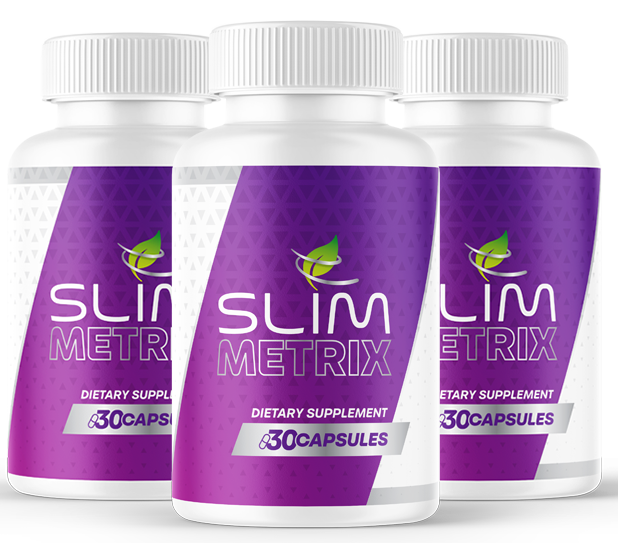
Breaking the freeze requires restoring insulin receptor function, clearing the oxidative burden damaging both receptors and mitochondria, reactivating mitochondrial fat oxidation, restoring the hormonal signals that coordinate fat metabolism, and reigniting thermogenesis. Slim Metrix packages all ten compounds at doses consistent with the published research in a single daily protocol.
Watch the presentation. Read the evidence. Make your own decision.
Dr. Daniel Mercer, MD, is a board-certified specialist in integrative medicine. The information in this article is for educational purposes only and does not constitute medical advice. Always consult a qualified healthcare provider before starting any supplement protocol. Individual results may vary.
Affiliate disclosure: This article contains affiliate links. If you choose to purchase through links provided, Get Wellness Wire may receive a commission at no additional cost to you.
Scientific References
1. Liang et al.. Meta-analysis of 46 RCTs: berberine significantly reduced HbA1c (MD −0.73%) and fasting blood glucose. Oxidative Medicine and Cellular Longevity, 2021. [PMC8696197]
2. Hursel et al.. Meta-analysis: green tea catechins significantly increased fat oxidation and thermogenesis. Nutrients, 2021. [PMC7922336]
3. Ziegler et al.. ALADIN trial RCT: 600mg alpha-lipoic acid significantly improved neuropathic symptom scores vs placebo. Diabetologia, 1995. [PMID 8786016]
4. Fogacci et al.. Systematic review and meta-analysis of RCTs: resveratrol significantly reduced triglycerides and liver enzymes in metabolic syndrome. Nutrients, 2019. [PMC7026982]
5. Gillessen and Schmidt. Systematic review of 29 RCTs (3,846 patients): silymarin reduced liver enzyme levels (ALT/AST) in 65.5% of trials. Viszeralmedizin, 2020. [PMID 38021897]

By Dr. Daniel Mercer, MD
Integrative Medicine Specialist · Get Wellness Wire
Our editorial standards require all health claims to be grounded in available research and presented without exaggeration. We do not endorse products we cannot describe accurately and fairly.